In modern football, keeping players healthy is a competitive advantage. A single injury can disrupt tactics, reduce performance, and cost clubs millions. That’s why many teams now rely on predictive injury AI models powered by Artificial Intelligence and data analytics to reduce player injuries before they happen.
Predictive injury AI models are changing how clubs manage fitness, recovery, and workload across the entire season.
What predictive injury AI models really do
A predictive injury AI model uses machine learning algorithms to analyze large amounts of player performance data and detect early signs of injury risk. It does not guess randomly. It learns patterns from past injuries and ongoing physical indicators.
Instead of reacting after an injury, football clubs can act early — when prevention is still possible.
Why football injuries happen so often
Most football injuries are not sudden accidents. They usually result from overload, fatigue, and poor recovery management.
Key injury risk factors include:
-
Sudden increases in training load
-
Accumulated match congestion
-
Incomplete recovery cycles
-
Previous injury history
-
Muscle imbalance and movement inefficiency
-
Travel stress and irregular schedules
AI injury prediction systems connect all these signals into one clear risk profile.
How AI models detect injury risk early
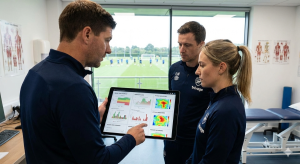
Using GPS tracking data, workload metrics, and player wellness indicators, Artificial Intelligence builds a personal baseline for each player. When values deviate from normal patterns, the AI model flags rising risk.
For example, if high-intensity running increases while recovery scores decline, the system detects a dangerous trend. If similar trends caused injuries in the past, risk confidence increases.
This makes injury prevention in football more personalized and data-driven.
How clubs respond when AI flags injury risk
The power of predictive injury AI lies in the decisions it supports. When risk rises, clubs adjust workloads instead of pushing players too far.
Common injury prevention actions include:
-
Reducing training intensity temporarily
-
Limiting sprint and high-impact drills
-
Adding targeted recovery sessions
-
Rotating players earlier in matches
-
Adjusting gym and conditioning loads
-
Managing minutes during congested schedules
Small adjustments early often prevent long-term absences.
How AI supports coaches and medical teams
AI injury prevention models do not replace medical staff or coaches. They support smarter decision-making.
Coaches use AI insights to:
-
Plan smarter player rotations
-
Protect key players before important matches
-
Maintain squad stability
-
Improve long-term performance consistency
Medical teams gain clearer visibility into hidden fatigue and overload patterns.
Why predictive injury AI is a competitive advantage
In elite football, availability matters as much as talent. Fewer injuries mean more tactical options, better training continuity, and stronger match performance.
Predictive injury AI models help clubs move from reactive treatment to proactive injury prevention. This shift reduces downtime, protects careers, and improves results over an entire season.
In modern football, staying fit is not luck anymore.
It’s Artificial Intelligence, data, and smart decision-making working together.